
Rodents in Los Angeles: Identification, Prevention & Treatment Tips
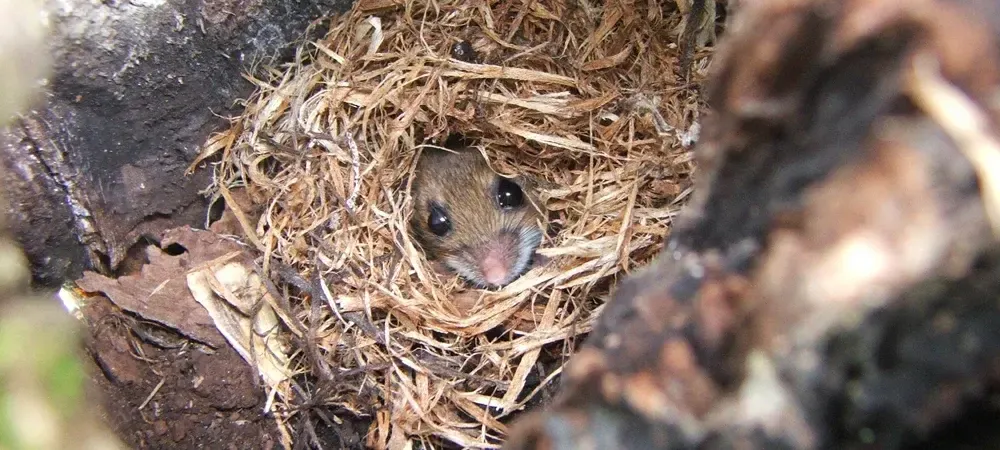
Los Angeles is famous for its beautiful weather, diverse neighborhoods, and sprawling urban landscape. Unfortunately, these exact same traits make the city a perfect breeding ground for rodents. Between the abundance of fruit trees, dense housing, and mild winters, rats and mice can be a year-round nuisance for LA residents.
Here is what you need to know to keep your home rodent-free.
How Do You Identify The Common Rodents of LA?
You can identify rodents in Los Angeles by looking for physical signs like capsule-shaped droppings, gnaw marks on wood or wires, and greasy rub marks along baseboards and walls. Knowing which specific type of rodent you are dealing with is the first step toward effective treatment.
- Roof Rats: Very common in Southern California, these rats are agile climbers. They are usually black or brown with long tails and prefer to nest in attics, trees (especially citrus trees), and elevated spaces.
- Norway Rats: Also known as brown rats or sewer rats, these are larger and stockier. They prefer ground-level habitats, often burrowing under foundations, concrete slabs, or in heavy vegetation.
- House Mice: Small, light brown or gray, and capable of squeezing through holes the size of a dime. You will often find them in kitchens, pantries, and wall voids.
How Can You Prevent Rodent Infestations?
You can prevent rodent infestations by sealing entry points, managing outdoor and indoor food sources, and maintaining your landscaping. Exclusion is the most important part of long-term pest control.
- Seal the Exterior: Inspect your home's foundation, vents, and roofline. Use steel wool, wire mesh, and caulk to seal any gaps larger than a quarter-inch.
- Manage Landscaping: Trim tree branches away from your roof, as these act as highways for roof rats. Clear out thick brush, ivy, and debris piles where Norway rats like to burrow.
- Secure Food: Pick up fallen fruit from backyard trees immediately. Keep trash cans tightly sealed, store pet food indoors in airtight containers, and avoid leaving pet bowls full overnight.
What Are the Best Treatment Options?
The best treatment options include a combination of trapping, strict exclusion work, and professional pest management to ensure the entire population is addressed safely.
- Trapping: Snap traps are generally the most effective and humane DIY method for a minor indoor problem. Place them along walls where rodents travel, using peanut butter or nuts as bait.
- Sanitation: Once rodents are removed, it is critical to clean up droppings and urine using gloves, masks, and a bleach solution to prevent the spread of diseases.
- Avoid DIY Poisons Indoors: Using rodenticides inside the home is highly discouraged. A poisoned rodent may die inside your walls, leading to severe odor issues and secondary pest infestations like flies.
Need help managing a rodent problem? Contact Pest Innovations Inc for professional rodent control near you.