
Stinging Insects in Los Angeles: Identification, Prevention & Treatment Tips
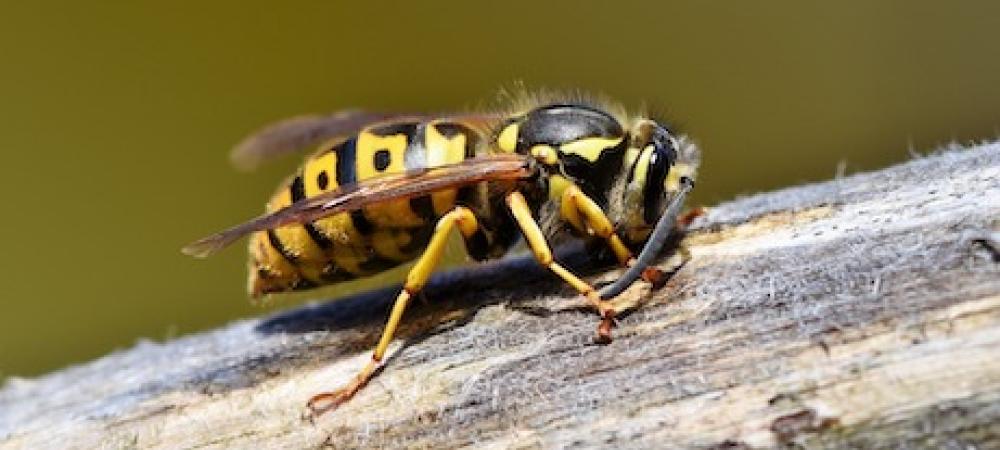
While stinging insects play a vital role in our local ecosystem by pollinating plants and controlling other pest populations, they can quickly become a hazard when they decide to build a nest in or around your home. The sunny Los Angeles climate allows many of these insects to remain active from early spring well into late autumn.
Understanding how to manage these pests safely is crucial for protecting your family and pets.
How Do You Identify The Common Stinging Insects in LA?
You can identify stinging insects in Los Angeles by examining their physical shape, their nesting habits, and their level of aggression. Knowing the difference between a beneficial bee and an aggressive wasp dictates how you should handle the situation.
- Yellowjackets: These are aggressive wasps with bold black and yellow banding. They are scavengers often found hovering around trash cans or outdoor dining areas. They typically build their nests underground or inside wall voids.
- Paper Wasps: Known for their long legs and distinct "umbrella-shaped" open-comb nests hanging from eaves, porches, or tree branches. They are generally less aggressive than yellowjackets but will sting if their nest is threatened.
- Honey Bees: Fuzzy, golden-brown insects that are strictly focused on gathering nectar and pollen. They are generally docile unless provoked. If you see a large, swirling cluster of bees, it may be a swarm looking for a new home.
How Can You Prevent Stinging Insects From Nesting By Your Property?
You can prevent stinging insects from nesting by eliminating food attractants, removing standing water, and sealing structural gaps around your property's exterior.
- Control Food and Trash: Yellowjackets are highly attracted to sugary drinks and meats. Keep outdoor garbage bins tightly closed and clean them regularly to remove residue.
- Seal Gaps: Inspect your home for cracks around windows, siding, and roof eaves. Repair torn window screens to keep flying insects out.
- Manage Moisture: Fix leaky outdoor faucets and ensure your gutters drain properly. Wasps need water to build their nests and survive the hot LA summers.
How Should You Treat a Stinging Insect Nest?
You should treat a stinging insect nest by maintaining a safe distance and relying on professional removal, especially for aggressive species or large, hidden nests.
- Small, Visible Wasp Nests: If a paper wasp nest is very small and newly formed, you may choose to treat it with a long-range wasp spray late at night or early in the morning when the insects are sluggish and inside the nest.
- Underground and Wall Voids: Never attempt to plug a hole where yellowjackets are entering a wall; they will simply chew their way into the interior of your house. Underground nests are highly dangerous to tackle without professional protective gear.
- Relocating Bees: Because honey bees are crucial to the environment and agricultural systems, their hives should never be exterminated. Instead, contact a professional who can safely extract and relocate the hive to a local beekeeper.
Dealing with a difficult stinging insect nest? Contact Pest Innovations Inc for safe and effective stinging insect removal services.