
Invasive Aedes Mosquitoes in Southern California: What Homeowners Need to Know
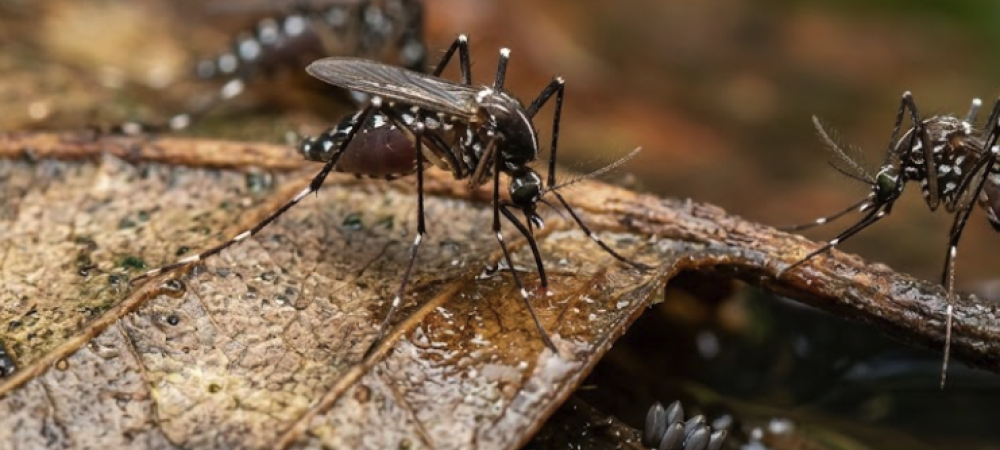
If you've been getting bitten in your backyard in the middle of the afternoon — not at dusk, not near a pond, just standing in your patio at 2pm — you're not imagining things. Something has changed about mosquitoes in Southern California, and that something has a name: the invasive Aedes mosquito.
In spring 2026, California health officials raised alarms about an unusually early mosquito season following a warm winter. Orange County Vector Control reported catching more than five times the number of mosquitoes they'd expect at that time of year compared to recent averages. This wasn't just a bad week. It reflected a broader, longer-term shift that's been building in our region for over a decade. The Aedes mosquito is at the center of it.
What Is the Aedes Mosquito, and How Did It Get Here?
The Aedes mosquito isn't one species but a genus, and two species in particular have become established in Southern California: Aedes aegypti (the yellow fever mosquito) and Aedes albopictus (the Asian tiger mosquito). Neither is native to California. They arrived through global trade and travel, most likely in shipments carrying standing water or damp materials, and were first detected in the state in 2011 and 2013. Since then, they've spread rapidly. As of 2026, Aedes aegypti has been confirmed in more than 27 California counties, including throughout Los Angeles, Orange, San Bernardino, and Riverside counties.
Visually, they're small and striking: black with bright white stripes on their legs and abdomen. You may have seen them without realizing what you were looking at.
How Aedes Mosquitoes Behave Differently from Native Species
This is where it gets important — because most of what people know about mosquitoes doesn't apply to Aedes.
California's native Culex mosquitoes are mostly crepuscular, meaning they're active around dawn and dusk. They breed in larger water sources like neglected swimming pools and drainage ditches. They're a nuisance, but a fairly predictable one.
Aedes mosquitoes break all of those rules.
They bite during the day. Aedes are aggressive daytime biters, active from morning through late afternoon. Wearing long sleeves at dusk won't protect you from them.
They target your ankles and lower legs. This is where the "ankle biter" nickname comes from. They fly low and target thin-skinned areas near the ground, which is why bites often appear below the knee even when the rest of you is covered.
They breed in tiny amounts of water. A Culex mosquito needs a neglected pool or a stagnant ditch. An Aedes mosquito needs a quarter inch of water, such as a flowerpot saucer, a bottle cap, a child's toy left outside after rain. Their eggs can also survive in dry containers for months, then hatch as soon as water returns. This means a container that was dry all winter can become a breeding ground within days of the first spring watering.
They live and breed in your yard, not just wild areas. Aedes are urban mosquitoes. They prefer the container-filled, irrigated environment of a residential backyard over open water or wild habitat.
They don't go away in winter. Southern California doesn't get the hard freezes that knock out mosquito populations elsewhere. Aedes can survive year-round in warm urban environments, which means there's no seasonal reset.
Why 2026 Has Felt Worse Than Usual
The 2026 mosquito season is genuinely more intense than recent years, and there are specific reasons for it. The winter of 2025-2026 was unusually warm, and a series of storms in early 2026 left standing water across the region. The combination of warm temperatures plus abundant moisture is exactly what Aedes needs to get ahead of the season. Vector control inspectors in Orange County described some of the highest early-season mosquito counts they'd seen in five years.
On top of that, the Aedes population in SoCal is simply larger than it was five years ago. The species continues to spread into new communities each year. If mosquitoes feel more aggressive and more present in your area than they used to, that's an accurate read of what's happening.
The Disease Risk: What You Actually Need to Know
Aedes mosquitoes are capable of transmitting dengue fever, Zika virus, chikungunya, and yellow fever. Large outbreaks have not occurred in California, but the risk calculus has shifted. In 2025, San Diego recorded its first case of locally acquired dengue, meaning the patient was infected in California without having traveled. That's a meaningful threshold.
It's worth being clear about what this means and doesn't mean. The overall risk of contracting a mosquito-borne illness in Southern California remains low. But Aedes mosquitoes are a vector species under active public health surveillance. The goal isn't to alarm anyone; it's to explain why this particular mosquito warrants more attention than the ones most Californians grew up with.
Note that Aedes and Culex mosquitoes represent two separate disease concerns. Culex mosquitoes, the native species, are the primary vector for West Nile virus, which is a separate and ongoing threat in California. Both can be present in the same yard.
Anyone who is pregnant, immunocompromised, elderly, or has young children at home should be particularly thoughtful about reducing mosquito exposure during peak season.
What You Can Do: A Practical Homeowner Checklist
The most effective thing any homeowner can do is eliminate standing water. No breeding site, no mosquitoes — and with Aedes, this applies to containers most people would never think to check.
Source elimination:
- Empty birdbaths, flowerpot saucers, buckets, and any outdoor containers at least once a week
- Check children's toys, tarps, and any object that could catch water after rain or irrigation
- Clean out gutters regularly — clogged gutters hold moisture longer than most people realize
- Don't overwater; saturated soil and pooled irrigation water create breeding opportunities
- If you're storing containers outdoors, scrub them with a brush before putting them away — Aedes eggs can stick to the inner surface and survive drying
Personal protection:
- Use EPA-registered repellents containing DEET, picaridin, or oil of lemon eucalyptus
- If combining with sunscreen, apply sunscreen first, then repellent
- Wear light-colored, loose-fitting clothing and long socks when spending time in the yard during peak Aedes activity hours (mid-morning through late afternoon)
- Inspect window and door screens for holes or tears — Aedes are small enough to pass through damaged mesh
What has limited effectiveness: Citronella candles, sonic repellers, and ornamental mosquito-repelling plants can offer some marginal reduction in adult activity but are not effective as standalone controls. They don't address breeding, which is where the population is actually built.
When to Consider Professional Treatment
DIY source reduction is genuinely important and can make a significant difference. Professional mosquito treatment takes a different approach than what most homeowners can do on their own. Technicians treat adult resting sites where Aedes shelter between feedings during the day. This is different from traditional mosquito control, which often focuses on dusk-time Culex habitat. Treatment timing matters too: morning and late afternoon applications are most effective because heat and wind during midday reduce how well treatments reach mosquito resting zones.
Larvicide applications can also address standing water that can't be fully eliminated, such as ornamental ponds or water features.Because Aedes can go from egg to biting adult in as little as a week under warm conditions, recurring service matters more than a single one-time treatment. The population can rebound quickly, especially in Southern California's climate.
If you're seeing consistent mosquito activity in your yard, it's worth having an exterminator evaluate what's happening on your property. Pest Innovations Inc services California with professional mosquito control, offering free estimates and eco-friendly solutions. Reach out for your free quote today!